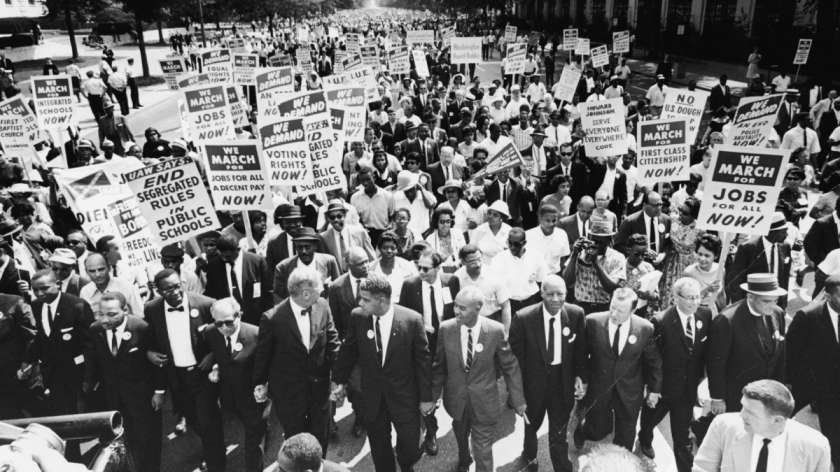
Social justice movements have played a pivotal role in shaping modern societies by fighting for equality and equity across various domains, including race, gender, disability, sexual orientation, and class. From the civil rights movement of the 1960s to today’s Black Lives Matter protests, social justice movements have been the driving force behind some of the most significant societal changes. As we move further into the 21st century, these movements continue to evolve, facing new challenges and calling for a more inclusive, just society.
This article will explore the latest updates on social justice movements, focusing on the ongoing fight for equal rights. By examining key developments and challenges within movements for racial justice, gender equality, LGBTQ+ rights, disability advocacy, and environmental justice, we can better understand how these struggles are transforming both the social and political landscape.
Black Lives Matter: A Continued Struggle for Racial Justice
The Black Lives Matter (BLM) movement, which gained international prominence following the tragic death of George Floyd in 2020, remains at the forefront of the fight for racial justice. BLM has become a powerful call for action against police brutality, systemic racism, and the disproportionate impact of the criminal justice system on Black and African American communities.
One of the key recent developments in the BLM movement is the continued push for police reform and accountability. Several U.S. states and local governments have introduced measures aimed at addressing police misconduct. For example, California has implemented new laws to improve the accountability of law enforcement agencies, including restrictions on the use of force and enhanced transparency around police shootings. Additionally, the movement has sparked debates about the need to “defund the police” or redirect funding towards community-based programs that focus on mental health, education, and violence prevention.
However, the fight for racial justice is far from over. Despite growing awareness and activism, systemic racism remains deeply ingrained in many aspects of society, from law enforcement to education, housing, and employment. Advocates continue to demand comprehensive reform, including the dismantling of discriminatory structures and policies that perpetuate inequality. The recent Supreme Court ruling on affirmative action, which limits the consideration of race in college admissions, serves as a reminder of the ongoing challenges facing racial justice movements.
Gender Equality: Advancing Women’s Rights and Opportunities
The fight for gender equality has gained significant traction in recent years, thanks in part to the global #MeToo movement. This movement, which began as an online campaign to support survivors of sexual harassment and assault, has grown into a larger call for societal changes that address gender-based violence, unequal pay, and workplace discrimination.
One of the major updates in the ongoing gender equality movement is the push for equal pay. Despite significant progress in some areas, the gender pay gap persists globally. In the United States, for instance, women continue to earn less than men for the same work. According to the Institute for Women’s Policy Research (IWPR), in 2021, women working full-time in the U.S. earned 82 cents for every dollar earned by men. This wage disparity is even more pronounced for women of color.
The fight for equal pay has gained significant momentum with the rise of pay transparency and legislative action. In 2023, several states, including Colorado and California, passed laws requiring companies to disclose salary ranges in job listings. These laws aim to reduce the gender pay gap by increasing transparency and holding employers accountable for pay equity. Additionally, companies that fail to comply with these regulations may face penalties.
On the global stage, the United Nations has called for stronger efforts to close the gender pay gap and improve opportunities for women in leadership positions. Although progress has been made in education and healthcare for women, significant disparities remain in terms of access to economic opportunities, political representation, and protection from violence.
LGBTQ+ Rights: Advocating for Equality in a Divided World
LGBTQ+ rights have gained considerable attention in recent years, but the movement still faces substantial hurdles in many parts of the world. In the U.S., significant strides have been made, such as the legalization of same-sex marriage in 2015 and the passing of the Equality Act, which aims to prevent discrimination based on sexual orientation and gender identity in various sectors. These victories were the result of decades of advocacy by LGBTQ+ activists.
However, recent trends have shown a backlash against LGBTQ+ rights, especially for transgender people. A rising number of anti-LGBTQ+ bills in state legislatures, particularly those targeting transgender youth, has become a significant concern. For instance, in 2023, lawmakers in over 30 states introduced or passed legislation that restricts access to gender-affirming healthcare for minors and bans transgender athletes from competing in women’s sports. This legislative assault on transgender rights has sparked protests and calls for federal protection of LGBTQ+ individuals’ rights.
In addition, the global landscape for LGBTQ+ rights remains uneven. While countries such as Canada, Germany, and Australia have made significant strides in protecting LGBTQ+ people, regions like Eastern Europe, Africa, and the Middle East continue to criminalize same-sex relationships, often with severe penalties. Advocates are pushing for stronger international protections, as well as efforts to educate and increase awareness to counteract harmful stereotypes and prejudices.
Disability Rights: Advocating for Accessibility and Inclusion
Disability rights have become an increasingly prominent issue in the context of social justice. Activists continue to fight for greater access to education, employment, healthcare, and public spaces, aiming to dismantle the physical and societal barriers that hinder the full participation of people with disabilities.
One of the most notable recent developments in the disability rights movement is the push for better accessibility in digital spaces. The rapid shift to online platforms during the COVID-19 pandemic highlighted the need for more accessible websites, apps, and virtual tools. Many people with disabilities, particularly those who are blind or have limited mobility, face challenges in navigating digital environments. As a result, there has been a growing push for businesses and government agencies to adopt inclusive design principles that consider the needs of all users.
Another significant development in the disability rights movement is the ongoing advocacy for the Americans with Disabilities Act (ADA) to be more robustly enforced. While the ADA, passed in 1990, was a groundbreaking piece of legislation that aimed to eliminate discrimination against people with disabilities, its implementation has faced challenges. Activists are calling for stricter enforcement of ADA guidelines, particularly in the areas of employment and transportation.
Furthermore, in the United Nations Convention on the Rights of Persons with Disabilities, the focus has expanded to ensure that people with disabilities are represented in decision-making processes at all levels of government. This advocacy is aimed at ensuring that policies reflect the needs of individuals with disabilities and are designed to create an inclusive society.
Environmental Justice: Connecting Climate Action with Social Equity
In recent years, the movement for environmental justice has gained significant momentum. Environmental justice advocates focus on addressing the disproportionate impact of environmental degradation on marginalized communities, particularly communities of color and low-income populations. These communities often live in areas that are more susceptible to pollution, climate change effects, and the environmental hazards of industrial activity.
The intersection of climate change and social justice is becoming more apparent, as extreme weather events, rising sea levels, and pollution disproportionately affect poorer communities. In 2023, communities in cities like New Orleans, Houston, and Puerto Rico faced devastating impacts from hurricanes and flooding, with Black and Latino communities suffering the most. These communities not only face the immediate aftermath of these disasters but also long-term economic hardship due to the lack of infrastructure, healthcare, and recovery resources.
Environmental justice movements advocate for policies that address both climate change and the social inequalities that exacerbate its impact. Solutions include supporting renewable energy in underserved areas, ensuring equitable access to clean air and water, and investing in climate resilience for the most vulnerable communities.
One of the key objectives is to ensure that future climate policies do not disproportionately benefit wealthier communities or nations at the expense of those most affected by environmental degradation.
Conclusion: The Road Ahead for Social Justice Movements
The fight for equal rights remains as urgent as ever. Whether it is fighting for racial justice, gender equality, LGBTQ+ rights, disability inclusion, or environmental justice, the work of social justice movements continues to evolve in response to changing societal conditions and emerging challenges.
While there have been significant victories in recent years, including legal reforms, increased representation, and broader public awareness, much work remains to be done. The rise of anti-LGBTQ+ legislation, gender-based violence, racial inequality, and environmental degradation shows that progress cannot be taken for granted.
For social justice movements to succeed, they must continue to build broad coalitions, engage in grassroots activism, and work toward systemic change. The road ahead may be challenging, but the strength of these movements is undeniable, and their fight for equal rights is central to creating a more just and equitable world.